
If you searched for the gelatin trick, you’re likely trying to understand what it actually is, how people use it, and whether it has anything to do with weight loss, or if it’s just another internet trend. This article breaks down the gelatin trick clearly and realistically: where it came from, how it’s commonly used, and what it can (and cannot) do, without hype or exaggerated claims.
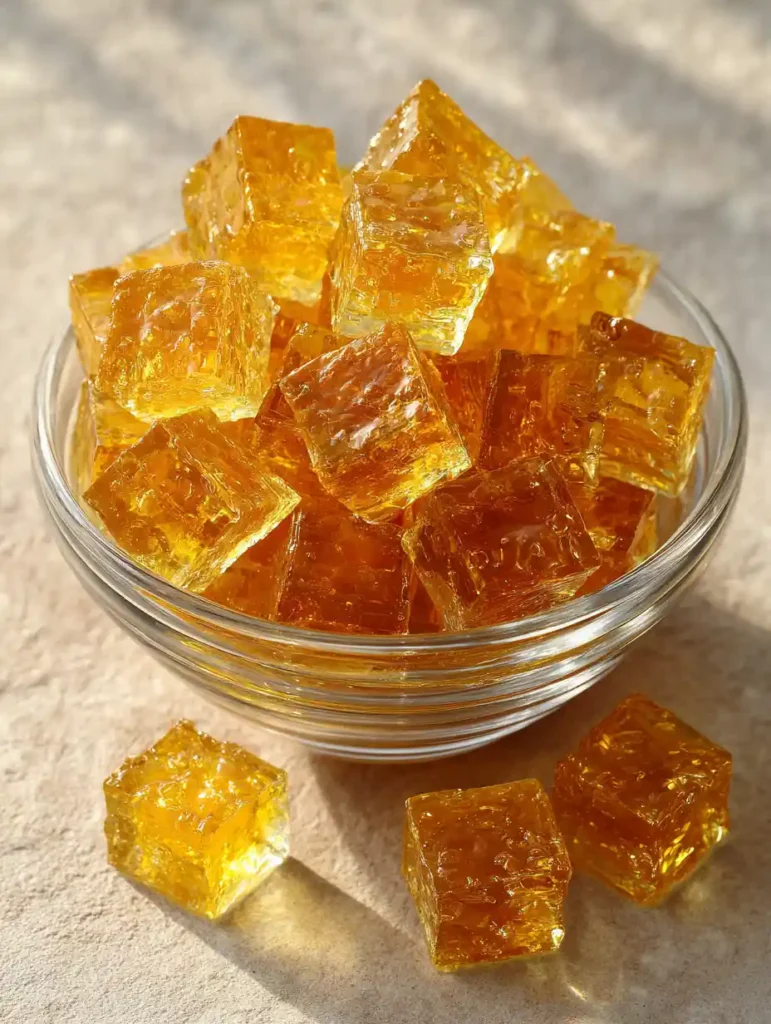
I came across the gelatin trick the same way many people do today, through short videos on TikTok, where creators dissolved plain gelatin or even Jell-O into hot water and talked about appetite control. I tried it myself out of curiosity, not expecting a miracle, but wanting to understand the experience firsthand. That curiosity is what shaped this guide: practical, honest, and focused on helping you decide whether this routine even makes sense for you.
Jump To
What Is the Gelatin Trick?
The gelatin trick is a simple routine where people consume a small amount of dissolved gelatin, usually plain gelatin or sugar-free flavored gelatin, before a meal, with the goal of feeling fuller and potentially eating less afterward. It is commonly described as a pre-meal habit, not a diet plan, supplement program, or medical treatment.
The idea gained popularity through short-form content on platforms like TikTok, where creators show gelatin being dissolved in hot water and consumed shortly before eating. Some variations reference practices seen in structured eating plans, including contexts like the bariatric gelatin trick, where protein-forward, low-calorie foods are emphasized after surgery.
Importantly, the gelatin trick is not a standardized recipe, protocol, or scientifically established method for weight loss. It refers broadly to a behavioral practice centered on timing, satiety, and routine rather than guaranteed results or fat loss.
Why Gelatin Is Linked to Weight Loss?
Gelatin is linked to weight loss mainly because it is high in protein, very low in calories, and easy to consume before meals, which may help some people feel fuller and eat less. Gelatin is derived from collagen and provides amino acids that contribute to satiety, even though it is not a complete protein.
One reason the gelatin trick is often discussed in weight loss contexts is its potential effect on appetite control. Protein is known to influence satiety hormones such as peptide YY and GLP-1, which play a role in signaling fullness. According to research summarized by Harvard Medical School, higher-protein intake can increase feelings of fullness compared to carbohydrates or fats, which may indirectly support calorie control.
Another factor is timing. The gelatin trick for weight loss is typically described as a pre-meal routine, meaning gelatin is consumed shortly before eating. This timing may slow eating pace or reduce portion sizes, not because gelatin burns fat, but because it can act as a low-calorie, protein-based preload.
How the Gelatin Trick Is Supposed to Work
The gelatin trick is supposed to work by influencing satiety, eating pace, and pre-meal decision-making, rather than by directly causing weight loss. The core idea is that consuming gelatin shortly before a meal may help some people feel fuller sooner, which can lead to smaller portion sizes.
From a physiological perspective, gelatin is mostly protein and water once dissolved. Protein intake before meals has been shown to affect appetite-related hormones involved in fullness signaling. Reviews cited by American Journal Clinical Nutrition, explain that protein preloads can increase satiety compared to carbohydrate-based preloads, even when calorie content is low. This hormonal response is one reason the gelatin trick for weight loss is often framed as a pre-meal strategy.
Behavior also plays a role. Drinking warm gelatin before eating may slow down meal initiation, encourage more mindful eating, and reduce impulsive food choices. Some variations mention three time-specific Gelatin Trick Recipe approaches, such as consuming it 10–30 minutes before meals, but these are informal practices, not standardized or clinically validated protocols.
Gelatin Trick vs. Gelatin Diets
The gelatin trick is often confused with broader gelatin diets, but they are conceptually different in purpose, structure, and expectations. Understanding this distinction helps avoid unrealistic assumptions and keeps the topic grounded in how people actually use gelatin.
The gelatin trick refers to a specific habit, usually consuming a small amount of gelatin before meals, intended to support appetite awareness. It does not prescribe daily calorie limits, food restrictions, or long-term meal planning. In contrast, gelatin diets treat gelatin as a recurring or central food component, sometimes promoted as part of a structured weight-loss approach.
Gelatin diets have appeared historically alongside restrictive eating trends and are sometimes loosely compared to high-protein or low-calorie plans such as Atkins diet or very-low-calorie regimens. However, unlike balanced dietary frameworks reviewed by institutions such as Mayo Clinic, gelatin diets lack standardized guidelines and long-term evidence.
| Aspect | Gelatin Trick | Gelatin Diets |
|---|---|---|
| Core idea | Pre-meal routine | Ongoing eating pattern |
| Structure | Flexible, informal | Often restrictive |
| Role of gelatin | Small, situational use | Central or repeated food |
| Weight loss claim | Indirect, behavioral | Often direct or exaggerated |
| Sustainability | Depends on habits | Commonly short-term |
In short, the gelatin trick is about how and when gelatin is used, while gelatin diets focus on how much and how often it is consumed. Confusing the two can lead to misplaced expectations about results and sustainability.
Gelatin vs Jello
Although the terms are often used interchangeably, gelatin and Jell-O are not the same thing, and the difference matters when discussing the gelatin trick. Gelatin is a neutral, unflavored protein derived from collagen, while Jell-O is a branded dessert product that contains gelatin plus added ingredients.
Plain gelatin is essentially protein and water once dissolved. It has no sweetness, no color, and no flavor unless something is added. This is why it’s typically used in cooking, baking, or dietary routines where control over ingredients matters. In contrast, Jell-O products often include sweeteners, flavorings, color additives, and sometimes acids that affect taste and texture.
For people experimenting with the gelatin trick for weight loss, this distinction becomes important. Many references to the trick specifically mention sugar-free flavored gelatin, which removes added sugars but still includes artificial sweeteners and flavor compounds. While these versions still contain gelatin, their overall nutritional profile is not identical to plain gelatin powder.
What the Gelatin Trick Is Not
The gelatin trick is often misunderstood because it’s discussed alongside diet trends, supplements, and viral weight loss claims. Clarifying what it is not helps set realistic expectations and prevents people from using it incorrectly.
First, the gelatin trick is not a weight loss method on its own. It does not create a calorie deficit by itself, and it does not override overall eating patterns. Institutions such as Mayo Clinic consistently emphasize that sustainable weight loss depends on total diet quality, energy balance, and long-term habits not single foods or routines.
Second, it is not a fat-burning strategy. Gelatin does not increase metabolism, trigger fat oxidation, or target belly fat. Claims suggesting otherwise confuse satiety-related effects with metabolic ones. At most, the gelatin trick is discussed as a behavioral tool that may influence how much or how quickly someone eats, not how their body burns fat.
Finally, the gelatin trick is not a medical or therapeutic treatment. It is not designed to manage obesity, diabetes, or appetite disorders, and it should not be confused with clinical nutrition protocols. While gelatin contains amino acids derived from collagen, it is not a complete protein and does not replace balanced meals recommended in evidence-based dietary frameworks.
Who Might Find the Gelatin Trick Helpful
The gelatin trick may be helpful for people who are looking for a simple pre-meal routine to support appetite awareness, not for those seeking a medical or rapid weight loss solution. It is most often discussed in behavioral and habit-based contexts rather than clinical nutrition.
Some people who may find the gelatin trick useful include those who tend to eat quickly or struggle with recognizing fullness cues. Consuming gelatin before meals can function as a pause, helping slow eating and reduce impulsive portion sizes. This is why the gelatin trick for weight loss is usually framed as a supportive habit, not a primary strategy.
The approach is also sometimes mentioned in post-surgical eating discussions, such as the bariatric gelatin trick, where protein-forward, low-volume foods are emphasized after procedures like bariatric surgery. In these cases, gelatin is valued for its texture and ease of consumption, not because it causes weight loss.
Overall, the gelatin trick may appeal to people experimenting with structure, timing, or mindful eating especially those who prefer low-effort routines over complex diet plans.
What Research Says (and Doesn’t Say) About Gelatin and Weight Loss
Research does not show that gelatin directly causes weight loss, but it does explain why gelatin is sometimes associated with appetite control. Studies on protein intake consistently show that protein can increase feelings of fullness compared to carbohydrates or fats, which may indirectly influence how much people eat. This context is often used to explain interest in the gelatin trick, not to validate it as a weight-loss method.
According to summaries published by Harvard Medical School, higher-protein pre-meal foods can affect satiety hormones such as peptide YY and GLP-1, which help signal fullness. Gelatin, while protein-based, is incomplete and lacks essential amino acids, meaning it does not provide the same nutritional value as complete proteins like eggs or dairy.
What research does not support is the idea that gelatin burns fat, boosts metabolism, or produces weight loss on its own. No randomized controlled trials have tested the gelatin trick as a standalone intervention. Reviews from institutions like Mayo Clinic emphasize that sustainable weight loss depends on overall dietary patterns and energy balance, not single foods or timing rituals.
Is the Gelatin Trick Sustainable Long Term?
The gelatin trick can be sustainable long term only if it functions as a simple habit, not as a rule or expectation-driven routine. Its longevity depends less on gelatin itself and more on whether the person finds value in the pause before eating it creates.
From a behavioral standpoint, habits that require minimal effort and no strict tracking are more likely to stick. Eating routines tied to mindfulness, such as slowing down before meals are commonly discussed in approaches like mindful eating, which emphasize awareness over restriction. If gelatin serves as a cue for slower, more intentional eating, some people may maintain it without resistance.
However, sustainability drops when the gelatin trick is treated as a requirement for weight control. Routines that feel obligatory or disconnected from overall eating patterns are often abandoned over time, especially when results are unclear. Guidance from institutions like Mayo Clinic consistently highlights that lasting change comes from adaptable habits, not rigid rituals.
In practical terms, the gelatin trick may last as long as it remains optional, low-pressure, and supportive not when it’s expected to deliver outcomes on its own.
Common Mistakes People Make With the Gelatin Trick
People often misunderstand the gelatin trick because it’s shared in simplified or exaggerated ways online. Most issues come from expectations and misuse, not from gelatin itself. The following mistakes explain why some people feel disappointed or confused after trying it.
Common mistakes include:
- Expecting weight loss on its own
The gelatin trick is sometimes treated as a solution rather than a support. Without changes in overall eating habits, it does not lead to meaningful or lasting results. - Confusing gelatin with dessert products
Using sweetened or flavored products without understanding their ingredients, such as assuming all options are nutritionally equivalent to plain gelatin, can distort calorie and nutrient intake. - Using it too frequently or rigidly
Turning the routine into a rule (before every meal, every day) can make it feel restrictive, which reduces long-term adherence. - Ignoring overall eating patterns
Relying on a pre-meal habit while overlooking meal composition, portion balance, or eating speed limits any potential benefit. - Assuming online routines are standardized
Variations shared on social media platforms like TikTok often lack context and consistency, leading people to follow approaches that were never meant to be universal.
Avoiding these mistakes helps keep expectations realistic and places the gelatin trick in its proper role as a minor behavioral tool, not a controlling strategy.
FAQ
What is the gelatin trick for losing weight?
The gelatin trick for losing weight refers to a pre-meal routine where gelatin is consumed before eating, with the intention of increasing fullness and reducing how much someone eats at a meal.
Does the gelatin trick work?
The gelatin trick may help some people eat more mindfully or feel fuller sooner, but it does not cause weight loss on its own.
Does gelatin help reduce belly fat?
No. Gelatin does not target belly fat or any specific fat area. Fat loss patterns are determined by overall energy balance, genetics, and lifestyle not by individual foods or routines.
How much gelatin per day for weight loss?
There is no evidence-based dosage of gelatin established for weight loss. Health organizations such as Mayo Clinic emphasize that focusing on overall dietary patterns is more important than consuming specific amounts of a single ingredient.
Is the gelatin trick safe?
For most healthy adults, small amounts of food-grade gelatin are generally considered safe. However, it should not be treated as a medical approach or used to manage health conditions.
Conclusion
What I genuinely love about this routine is how uncomplicated it is. There’s no tracking, no rigid rules, and no pressure to “do it perfectly.” It gave me a quiet moment before meals a pause, that helped me slow down and check in with my body instead of eating on autopilot. That small shift made the experience feel calmer and more intentional, which is something I value far more than dramatic promises or quick fixes.
I also appreciate that it never asked me to overhaul my entire lifestyle. It fit into my day without stress, expectations, or guilt, and that’s rare. Whether someone keeps it long term or just experiments with it for a while, I like that it encourages curiosity rather than control.